In shortCome between December and February for the widest choice of sailings: up to 18 hours of daylight, averages of about 10-15°C, and the penguin colony in season. The penguin window runs from mid-October to mid-March, with fewer birds at either end of it. Late March to May is the better stretch for photography. The short lighthouse-and-islands route sails all year.
18 hourssummer daylight
10-15°Csummer averages
21 Octoberpenguin sailings open
7 hourswinter daylight
The best time to visit the Beagle Channel, season by season
Take December, January or February if you want everything available at once. The provincial tourism authority puts summer daylight at as much as 18 hours, with averages around 10-15°C and rarely above 25°C, and those are the months when the eastern route to the penguin colony runs alongside the short lighthouse route.
Late March to May is the stronger choice for light and colour. The same provincial source calls it the ideal time for photography and hiking: the forests turn, temperatures usually stay below 10°C, and frosts increase by May. The penguins have gone by then, and the estancia on the eastern shore has closed to the public for the year.
Two things are tied strictly to the calendar. One is the Isla Martillo colony, both the boat viewing and the walk on the island; the other is Estancia Harberton, the 1886 ranch opposite it, which receives visitors from 11 October to March, 12:00 to 19:00, closed Tuesdays and also on 25 December and 1 January. The islets, the sea lions, the cormorants and the turn at Les Eclaireurs carry no season. Ushuaia's tourism board states that channel boat tours leave the port area all year, and one operator lists its short lighthouse cruise as daily year round with morning and afternoon departures.
| Period | Daylight and temperature | Isla Martillo colony | Short route from the tourist port |
|---|
| Mid-October to November | Days lengthening towards summer | Sailings open; one operator starts on 21 October with afternoon departures only, then morning and afternoon from November | Running |
|---|
| December to February | 18 hours of light at the peak, 10-15°C most days, 25°C an outlier | Full season | Running |
|---|
| March | Daylight shortening | Last weeks; one operator closes its season in March and the combined walk day ends 15 March 2027 | Running |
|---|
| Late March to May | Under 10°C as a rule, more frost the closer you get to May | No sailings | Running |
|---|
| June to September | 7 hours of light, 1°C to 6°C, snow at its deepest in July and August | No sailings | Running; the island landing can be cancelled for ice or frost |
|---|
High summer, when any departure slot works
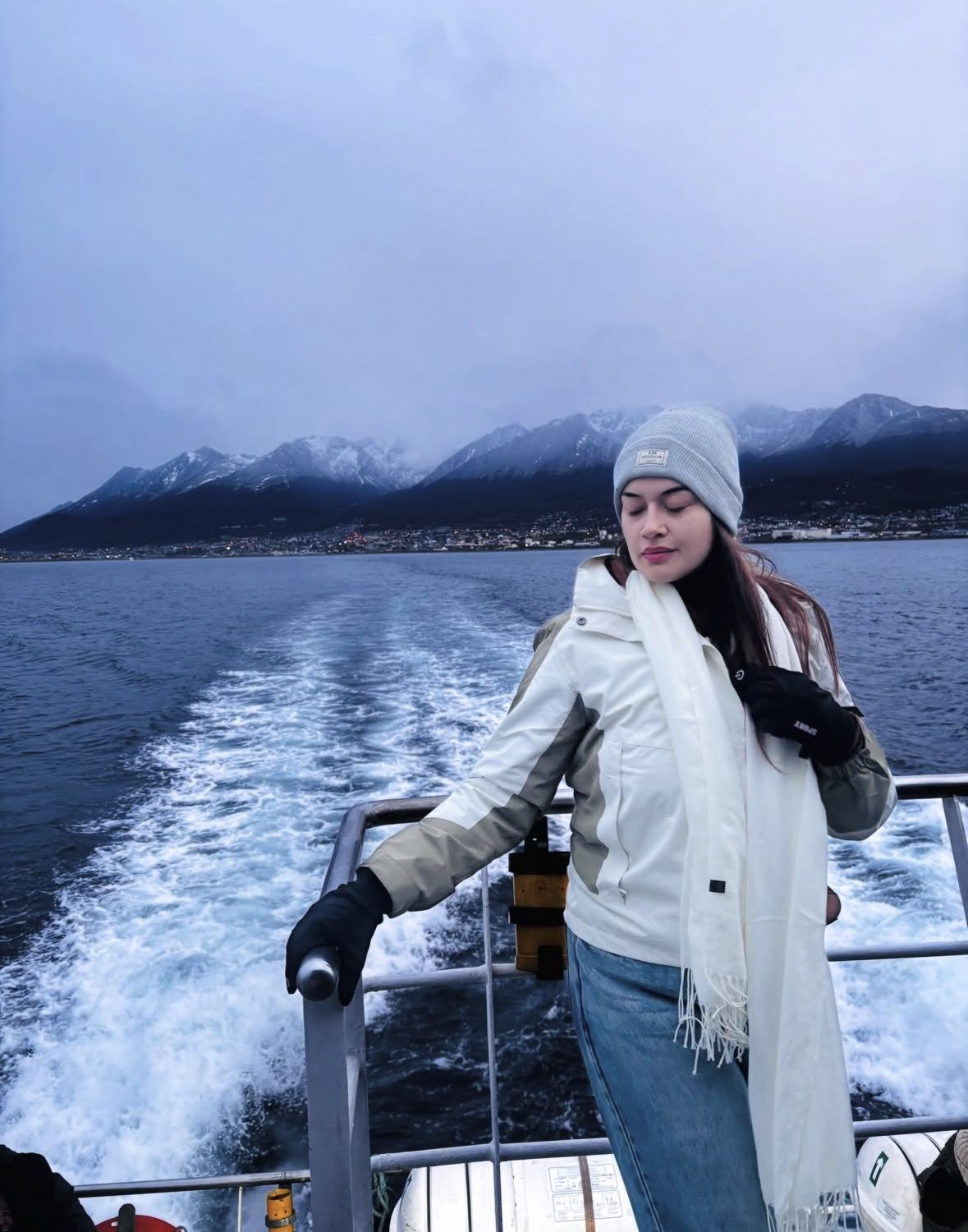
December to February is the only stretch of the year when a late departure stands on its own. With daylight running to 18 hours, a mid-afternoon sailing still gives you hours of low light on deck, and the air on the promenade sits around 10-15°C. The deck is windier than the town figure suggests, so keep the shell in your bag whatever the forecast says at breakfast.
The port is at its busiest in these weeks. Cruise ships call mainly in summer, Antarctic voyages leave Ushuaia between November and April, and the flight schedule from Buenos Aires rises from an average of six services a week to eleven. Two dates matter if you are travelling over the holidays: one channel company runs no morning excursions on 25 December or 1 January, and Estancia Harberton is closed to the public on both.
Summer is also when the eastern route makes practical sense. Isla Martillo lies about 90 km from Ushuaia, so anything that reaches the penguins is a long day out, and the combined bus-and-boat trip runs daily except Tuesday from 15 October 2026 to 15 March 2027, which matches the estancia's Tuesday closure.
Beagle Channel Navigation with Minitrekking
The 4-hour navigation with minitrekking covers the islets, the turn at Les Eclaireurs and a walk ashore, the part of the channel that runs regardless of the penguin calendar: from US$100, rated 4.8 ★ (724 reviews).
★ 4.8/5 · 724 reviews
Penguin season in Ushuaia and why the edges are a gamble
Timing a penguin trip comes down to one island: Isla Martillo, roughly 90 km out along the eastern channel, which holds the only colony in Tierra del Fuego. The municipal board gives October to April for Magellanic and Gentoo penguins there, with king penguins appearing only occasionally, and the provincial authority describes the island as a protected natural reserve where visits are limited to small groups with professional guides.
The sailing season is narrower than the biological one. One operator opens its penguin navigation on 21 October with afternoon departures only, then runs morning and afternoon from November to March; another sells the trip from October to March and says plainly that fewer penguins may be seen at the start and end of the season. Mid-October and the last days of March are the weeks when you can pay for a five-hour crossing and find the beach quiet. November to early March is the safe window.
Watching the colony from the water and walking among the birds are separate products with separate calendars. The catamaran versions keep everyone on board for the whole trip, with the colony a few metres off the rail. The walk is reached by zodiac, with no pier, using stairs and a gangway, and the operator that runs it describes an hour on foot with a specialist guide. If that walk is your reason for coming to Ushuaia, fix your dates inside its operating window first and build the rest of the trip around them.
- Put the penguin sailings on this site in a month well inside the colony season, and skip the first and last weeks of it
- Choose any day except Tuesday for the Harberton-and-island combination, since the estancia gateway closes that day
- The short lighthouse-and-islands sailings never reach Isla Martillo, in any season
Late March to May, when the forests change colour
The shoulder months are the quiet, photogenic part of the year on this coast. The provincial tourism authority names late March to May as the ideal period for photography and trekking, with the beech forest turning, temperatures usually below 10°C and frosts becoming more frequent through May. Cruise traffic has largely gone, the Antarctic season ends in April, and the pier area is calmer.
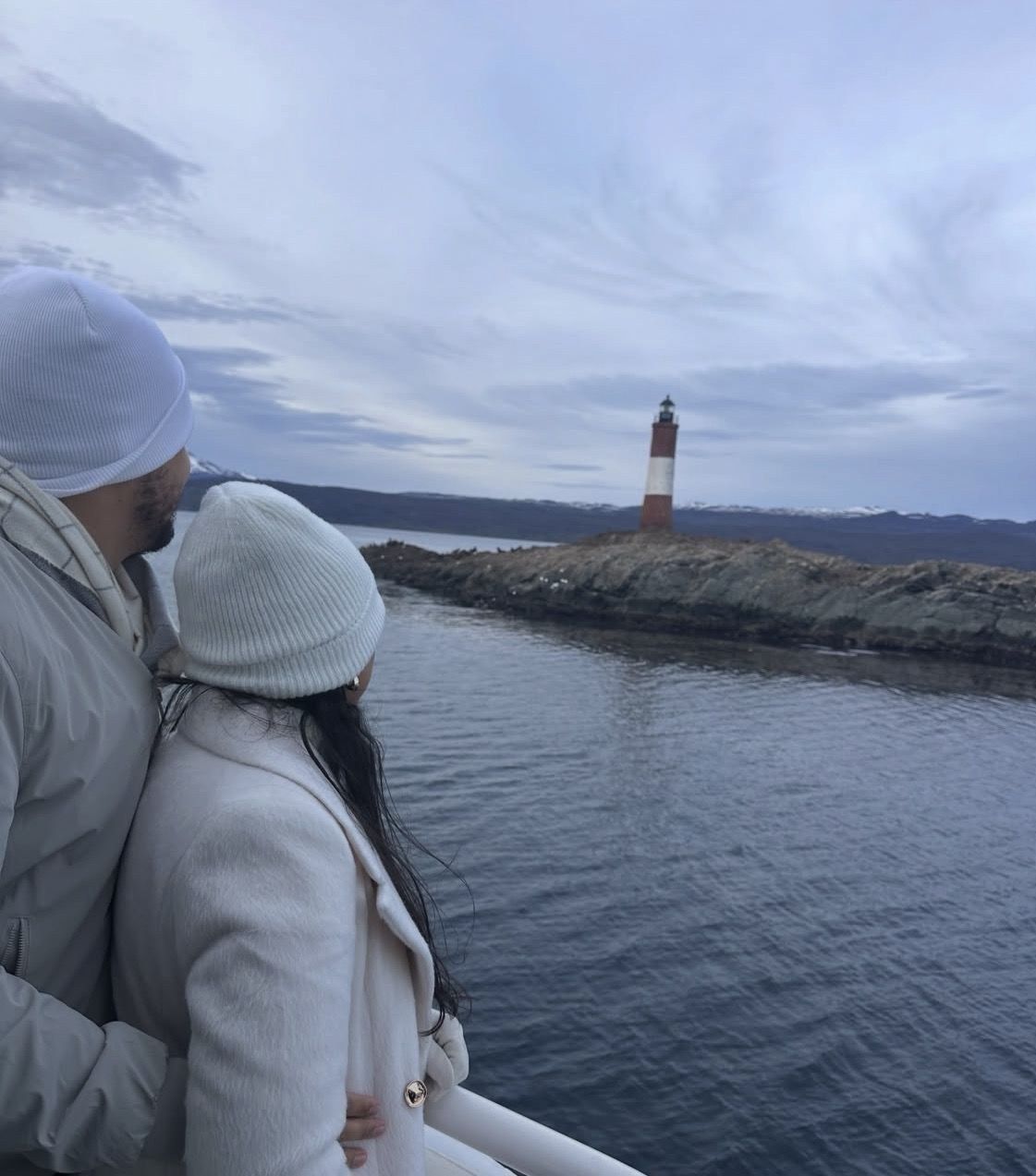
What you give up is the east. Penguin sailings finish in March and Estancia Harberton shuts to visitors at the end of that month, which closes the land gateway to the colony. The short route stays open: the bird and sea lion islets, the turn at the Les Eclaireurs lighthouse about 20 km from Ushuaia, and a landing in the Bridges group where the interpretive trail passes Yámana shell middens.
Humpback whales use the channel, and a photo-identification catalogue produced by CADIC-CONICET with WCS Argentina documented 191 individual animals between 2013 and 2024. No official source publishes the months when sightings are most likely, so treat any whale on a standard sailing as luck; it is not part of the itinerary.
Winter brings short days and a landing that depends on frost
Boats keep going through the cold months. Ushuaia's tourism board confirms that channel excursions leave the port area all year, and operators list the short lighthouse route as a year-round product with a morning and an afternoon departure. Dress for a daily range of 1°C to 6°C, work with roughly 7 hours of usable light, and expect July and August to bring the heaviest snow. Take the morning slot; an afternoon sailing in July finishes close to dusk.
The walk ashore is the part that can disappear in winter. One operator states that the landing in the Bridges Islands may be cancelled for safety and gives ice or frost as the example, so book the winter sailing for the water and the wildlife and treat the island stop as a bonus. Weather here does not arrive in neat blocks: sun, rain and snow can all turn up in the same day, cold and wind are constant, and the annual average is around 6°C.
Winter also brings things that do not exist in January. The ski season at Cerro Castor, 27 km from Ushuaia on Ruta 3, ran from 28 June to 6 October in 2026, and diving in the channel is possible all year in cold-water suits among macroalgae forests with sea urchins, starfish, octopus and king crab.
Put the sailing at the start of your stay
The pier operators give the same advice whatever the month: put the navigation early in your trip, so a cancelled sailing still leaves days in which to go out again. Cancellations of channel sailings are announced officially by the Prefectura Naval Argentina; otherwise the boats leave on schedule, in whatever the weather happens to be doing.
That matters more than the choice of month. Three days in January with the cruise booked for the last afternoon can still end with no time on the water, while the same three days in May with the sailing on day one leave two more chances if the first is called off. Leave one spare day in the plan, and keep the park, the museums or the train as the fallback for the day the water is closed.
Questions people ask
Can I see penguins in the Beagle Channel in July?
No. Ushuaia's tourism board gives October to April for the Isla Martillo colony, and the sailings that reach it close in March. What runs in July is the short route, out to the bird and sea lion islets and the Les Eclaireurs lighthouse about 20 km from the port.
Which month has the fewest other visitors on the water?
The shoulder months. Cruise ships call at Ushuaia mainly in summer and Antarctic departures run from November to April, so the pier is noticeably quieter from late March onwards. Flights also drop back from the summer average of eleven a week to around six.
Does a morning or afternoon departure matter more in some seasons?
Yes. In high summer, with daylight running to 18 hours, an afternoon sailing still has plenty of light on deck. Between June and September the light lasts about 7 hours, which pushes the decision to the morning sailing. An early slot also keeps the rest of the day in reserve should the Prefectura Naval close the water.
How far ahead should I book for a summer trip?
Book your dates as early as you can for anything inside the penguin season, because the island walk takes small groups only and runs within a fixed window. The 4-hour navigation on this site can be cancelled at no cost up to 24 hours before the scheduled departure, so committing early costs you no flexibility.
Is one season safer for seasickness than another?
No season turns this into open ocean: Darwin put the channel at roughly 120 miles long with an average breadth of about two miles, and the boats stay inside that corridor. Conditions depend on the day more than the month, since cold and wind are constant and sun, rain and snow can all occur within one day. A large heated catamaran with enclosed seating is the easier choice at any time of year.
Read also