Cutting through the jagged southernmost tip of South America, the Beagle Channel has witnessed everything from ancient Yaghan canoes to Darwin's world-changing voyage of discovery. This remote, wind-scoured strait between Argentina and Chile holds more than 10,000 years of human drama within its icy, island-flanked waters.
Long before European ships navigated these frigid waters, the Beagle Channel was home to the Yaghan people — one of the southernmost human populations ever to inhabit the Earth. Archaeological evidence places their presence in the Tierra del Fuego archipelago as far back as 10,000 years ago, making them extraordinarily resilient inhabitants of one of the planet's most hostile environments. The Yaghan, also known as the Yamana, built their lives entirely around the channel's rich marine ecosystem, paddling bark canoes through churning, near-freezing waters to hunt seals, otters, and fish. They lived in small nomadic bands, moving seasonally across islands, and famously kept fires burning almost continuously — a practice that inspired the region's enduring name, Tierra del Fuego, or Land of Fire.
The Yaghan developed remarkable physiological and cultural adaptations to survive temperatures that rarely climbed above 10°C. They wore minimal clothing, instead coating their bodies in animal grease for insulation, and maintained a metabolic rate significantly higher than average humans. Their society was rich with oral tradition, ceremony, and a complex language featuring one of the most extensive vocabularies ever recorded for an indigenous tongue — including the now-famous word 'mamihlapinatapai,' describing a shared, unspoken longing. The Selknam and Kawésqar peoples also inhabited surrounding regions, each group carving out distinct territories across Patagonia's southernmost fringes. These cultures thrived for millennia until the catastrophic arrival of European explorers and missionaries in the 19th century.
The Beagle Channel takes its name from HMS Beagle, the Royal Navy survey vessel that explored the region during two landmark expeditions in the late 1820s and 1830s. The first survey, commanded by Captain Pringle Stokes and later Robert FitzRoy, took place between 1826 and 1830. FitzRoy navigated and charted the previously unmapped channel in 1830, naming it after his ship. During this voyage, he controversially transported four Yaghan individuals — whom he named Fuegia Basket, Jemmy Button, York Minster, and Boat Memory — back to England, intending to educate and 'civilize' them before returning them as cultural intermediaries. Boat Memory tragically died of smallpox in England, while the other three were presented to King William IV before their return voyage.
The second voyage of HMS Beagle, from 1831 to 1836, is perhaps the most consequential scientific expedition in history. It carried a 22-year-old naturalist named Charles Darwin, who would use his observations across South America and the Galápagos Islands to formulate his theory of natural selection. The Beagle Channel passage profoundly affected Darwin, who described the landscape in his journal as possessing a sublime, haunting beauty unlike anywhere else on Earth. His interactions with the Yaghan people — particularly the reunion with Jemmy Button, who had reverted entirely to his indigenous way of life — forced Darwin to confront deep questions about human nature, civilization, and what he would later call 'the descent of man.'
FitzRoy's meticulous charting of the Beagle Channel established the navigational foundations that made the strait commercially and strategically significant for the following century. The channel stretches approximately 240 kilometres in length and ranges from 3 to 8 kilometres in width, running roughly east to west and separating the main island of Tierra del Fuego from the islands of Navarino and Hoste. Its sheltered, relatively calm waters provided an invaluable alternative to the notoriously treacherous Drake Passage around Cape Horn. FitzRoy's work attracted subsequent waves of missionaries, settlers, and traders, permanently altering the balance of power in one of the world's last great wildernesses and sealing the tragic fate of its indigenous inhabitants.
Following the Beagle expeditions, European missionary activity intensified dramatically around the channel. The South American Missionary Society established a base on Keppel Island in the Falklands in 1855, and in 1871 Thomas Bridges founded the Ushuaia mission on the Argentine shore of the channel — the settlement that would grow into the city of Ushuaia, today the self-proclaimed southernmost city in the world. Bridges and his son Lucas compiled the first Yaghan dictionary, preserving a language that had no written form, yet their mission also accelerated the community's devastating exposure to measles, tuberculosis, and other introduced diseases. Within decades, a population estimated at between 3,000 and 9,000 Yaghan had been reduced to just a few dozen survivors.
The Beagle Channel became a flashpoint for geopolitical tension between Argentina and Chile, whose overlapping territorial claims in Patagonia and Tierra del Fuego were never fully resolved by the 1881 Boundary Treaty. The dispute intensified in 1977 when an international arbitration court awarded the islands of Picton, Lennox, and Nueva — strategically positioned near the channel's eastern mouth — to Chile. Argentina rejected the ruling, and by December 1978 both nations had mobilised military forces and were genuinely on the brink of war. Pope John Paul II intervened personally, dispatching Cardinal Antonio Samoré as a mediator. After years of delicate Vatican-led diplomacy, the Treaty of Peace and Friendship was signed in 1984, averting conflict and establishing the current boundary that divides the channel's waters between the two nations.
The 1984 peace agreement transformed the Beagle Channel from a contested borderline into a shared natural corridor, opening the door for binational cooperation and, crucially, tourism development. Ushuaia on the Argentine side and Puerto Williams on the Chilean side of Navarino Island began developing infrastructure to receive the growing number of adventurers and nature travellers drawn to sub-Antarctic landscapes. The 1990s saw rapid growth in Antarctic expedition cruise departures from Ushuaia, which became the undisputed gateway port to the White Continent. The city's population surged from under 5,000 in the 1970s to over 80,000 by the 2020s, transforming a remote frontier outpost into a genuine international destination built on its legendary geographic identity.
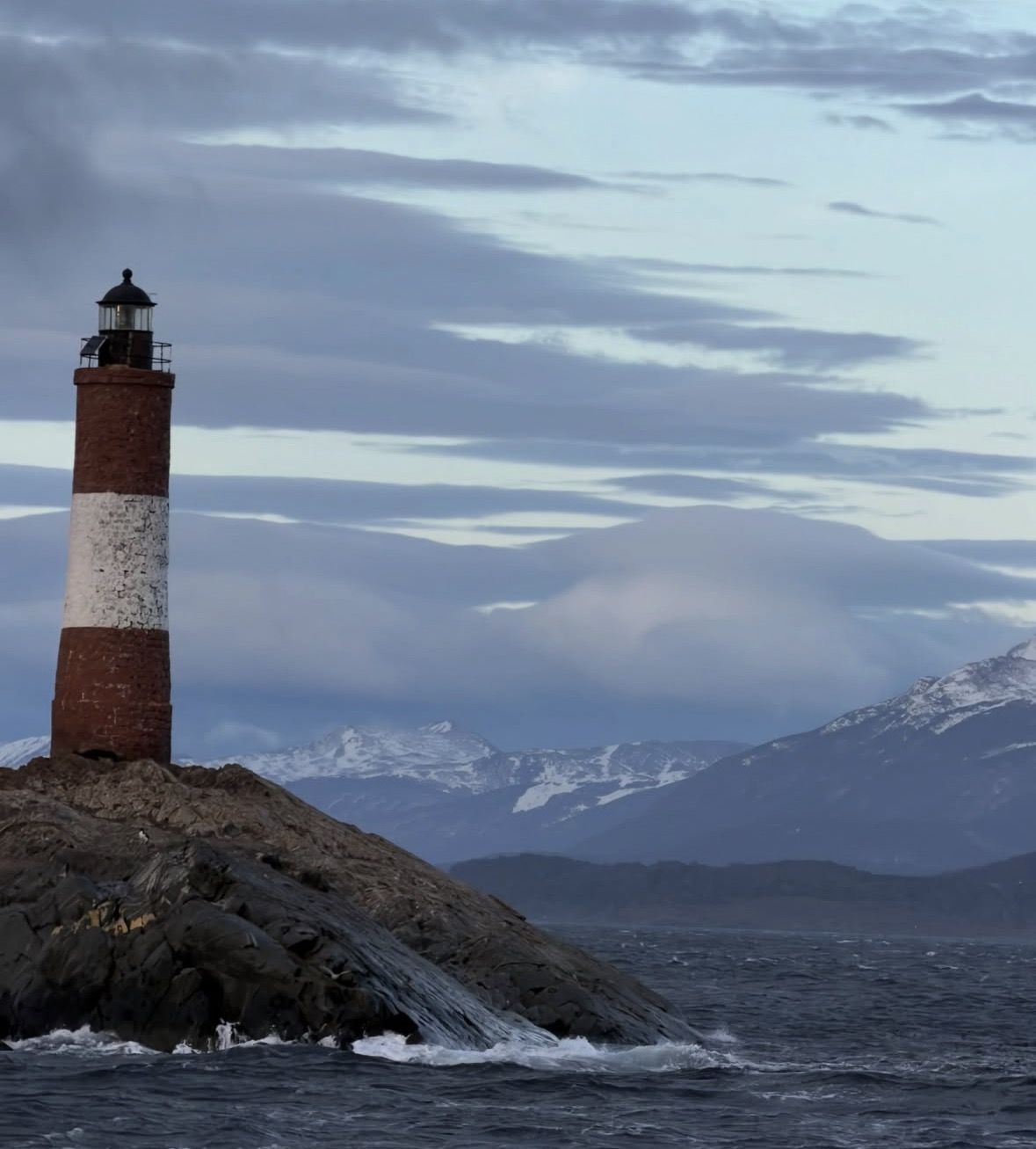
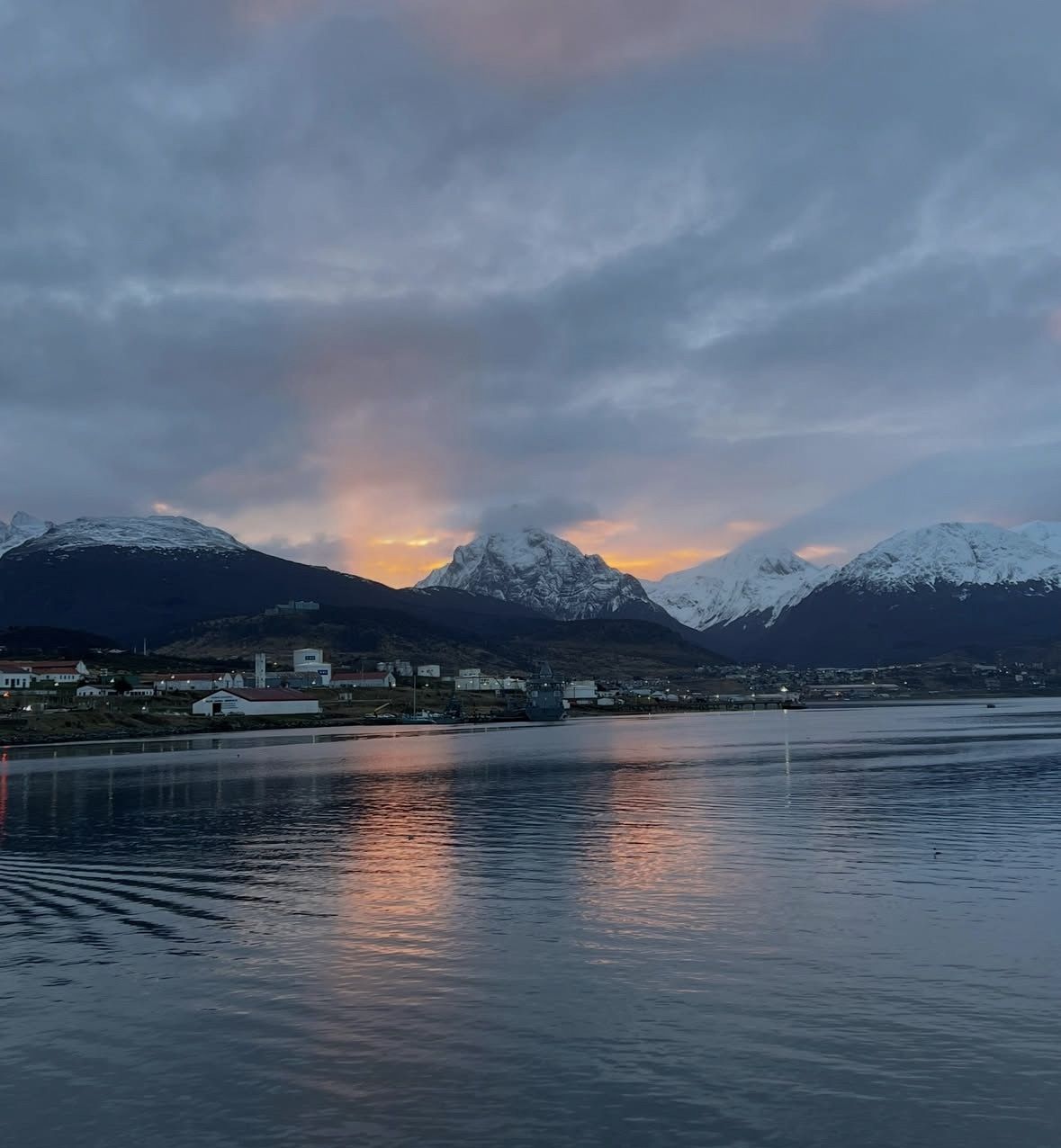
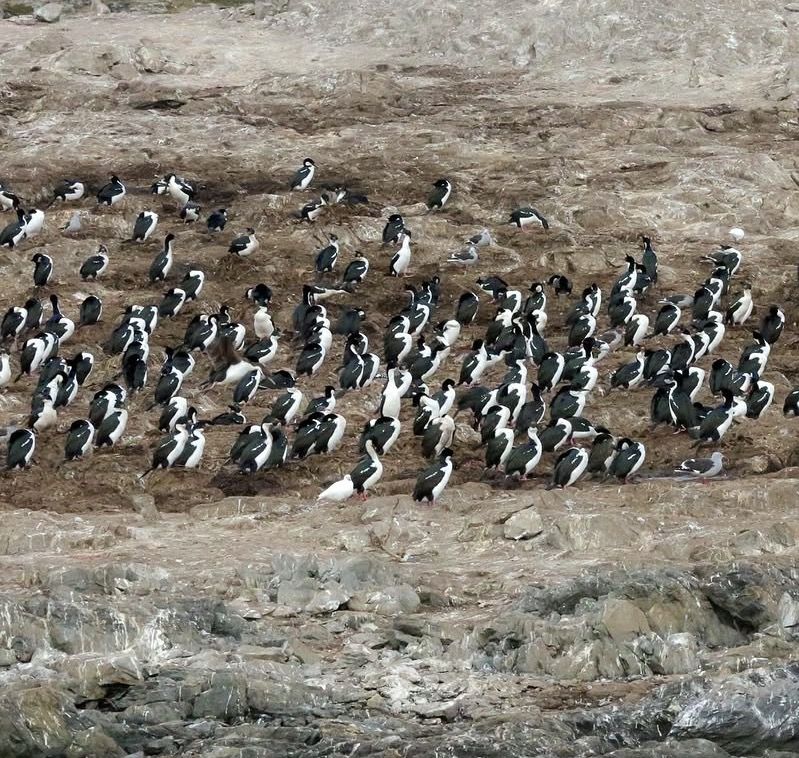
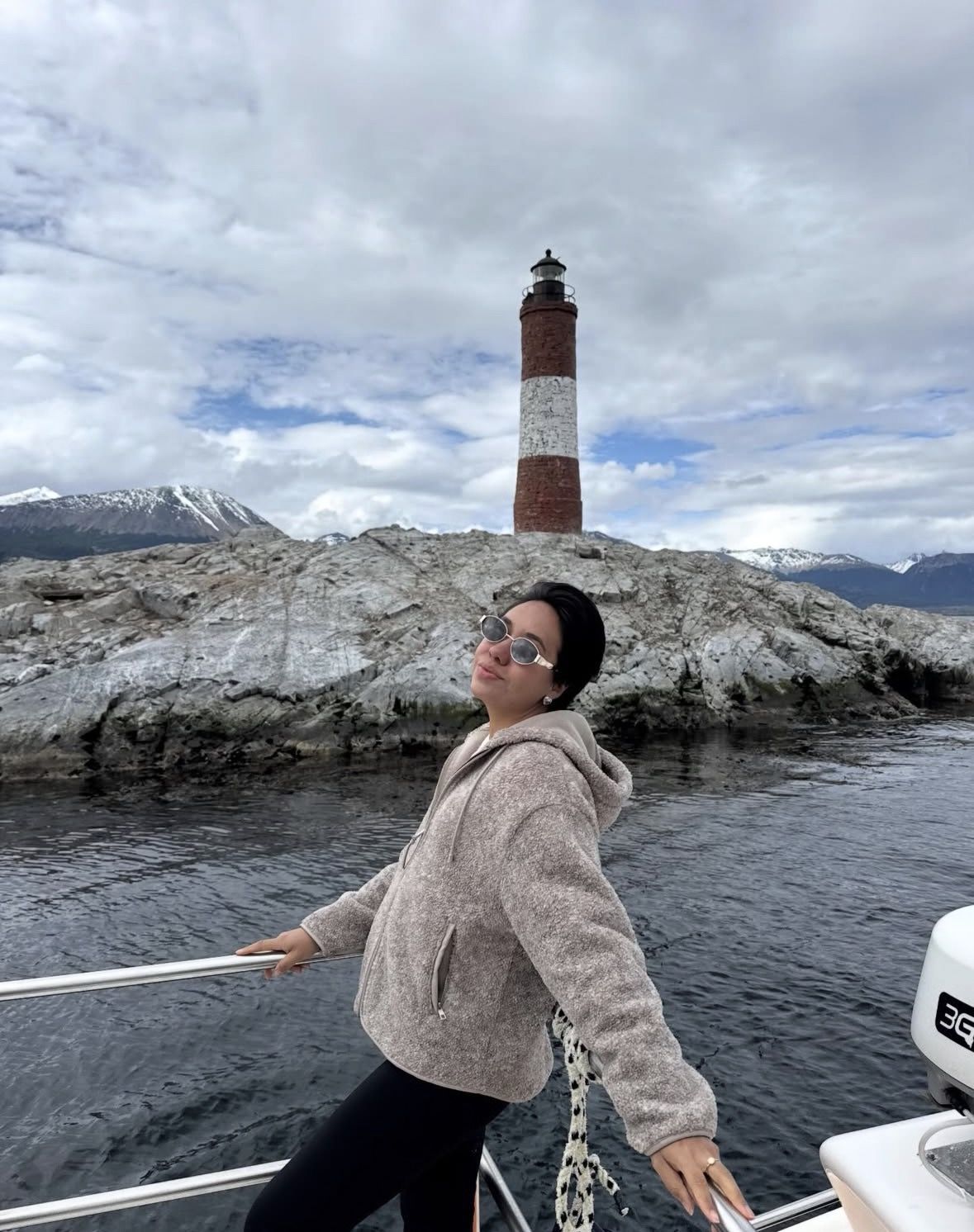
Today the Beagle Channel offers one of South America's most dramatic and layered travel experiences, seamlessly weaving ecological wonder with profound historical resonance. From Ushuaia's busy harbour, catamarans and zodiac boats carry visitors past sea lion colonies on rocky outcrops, penguin rookeries on Martillo Island, and the iconic Les Eclaireurs Lighthouse — often mistakenly called the Lighthouse at the End of the World. The mountainous backdrop of the Martial Range, frequently dusted with snow even in summer, frames every journey with a raw, cinematic grandeur. Birdwatchers track albatross, cormorants, and steamer ducks, while the lucky few spot Andean condors riding thermals above the peaks. Every boat trip doubles as a living history lesson, tracing the same waters FitzRoy charted and Darwin marvelled at nearly two centuries ago.
The human story of the Beagle Channel remains urgently alive. In Puerto Williams, the small Martín Gusinde Anthropological Museum preserves Yaghan artefacts and documents, while Cristina Calderón — recognised by UNESCO as a Living Human Treasure — continues to share her language and knowledge before she is gone. The channel invites every visitor to sit with the weight of what happened here: the breathtaking scientific discoveries, the diplomatic near-catastrophes, and the quiet tragedy of a culture reduced to near-extinction. Yet it also inspires hope and awe in equal measure. Whether you arrive by Antarctic cruise ship, sea kayak, or hiking boot along the trails of Tierra del Fuego National Park, the Beagle Channel rewards the curious traveller with an experience unlike any other on Earth.
Ready to Experience It Yourself?
The Beagle Channel is one of those rare places where landscape, history, and wildlife converge into something genuinely unforgettable — and the best way to experience it is on the water. Browse our hand-picked selection of channel cruises, guided nature tours, and Antarctic expedition departures from Ushuaia, and let us help you plan the journey of a lifetime. Book today and follow in the wake of the most famous voyage in the history of science.
Book Your Tour Now